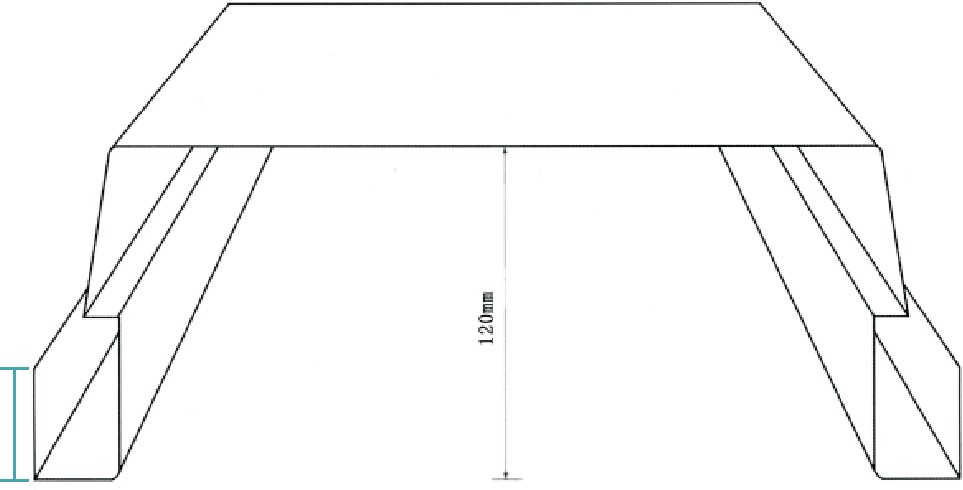
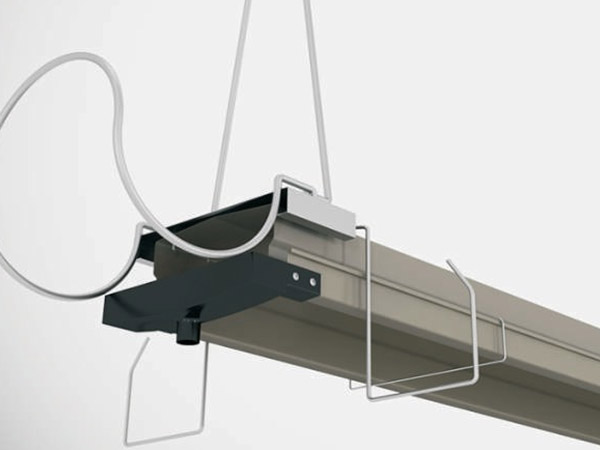
The zigzag shape planting system for fruit and vegetable crops such as tomatoes and cucumbers can isolate soil-borne diseases and reduce the occurrence of pests and diseases; it can adjust the height of the cultivation trough according to the different needs of crops; and it can improve the working environment and enhance labor efficiency.
The soil-free cultivation mode in the Netherlands adopts soil-free cultivation technology, with rock wool or coir as the main cultivation medium. This effectively avoids the infection of crops by external environmental and soil pathogens and pests, eliminating the pollution risks of parasite eggs, heavy metals, and chemical harmful substances in soil cultivation. Combined with water-fertilizer integration technology, a closed nutrient solution circulation system is used for watering and fertilizing, achieving a high resource utilization rate. After planting, both rock wool and coir can be treated in an environmentally friendly manner, without causing negative impacts on the environment.
1. The Dutch hanging system generally adopts high-seedling hanging cultivation. On the one hand, it facilitates daily operations for workers, and on the other hand, it improves the ventilation and light conditions at the bottom, which is conducive to achieving high yield. Wrapping the top buds of the plants around the string ensures their continuous upward growth.
2. Hanging vines can slightly damage the interior of the stem, thereby promoting flowering and fruiting (reproductive growth). When winding the vines, all lateral buds and branches sprouting from the axils of the leaves should be removed to avoid nutrient depletion and mutual shading between plants. Finally, excess flowers and pre-flowering branches should be removed as a matter of convenience.
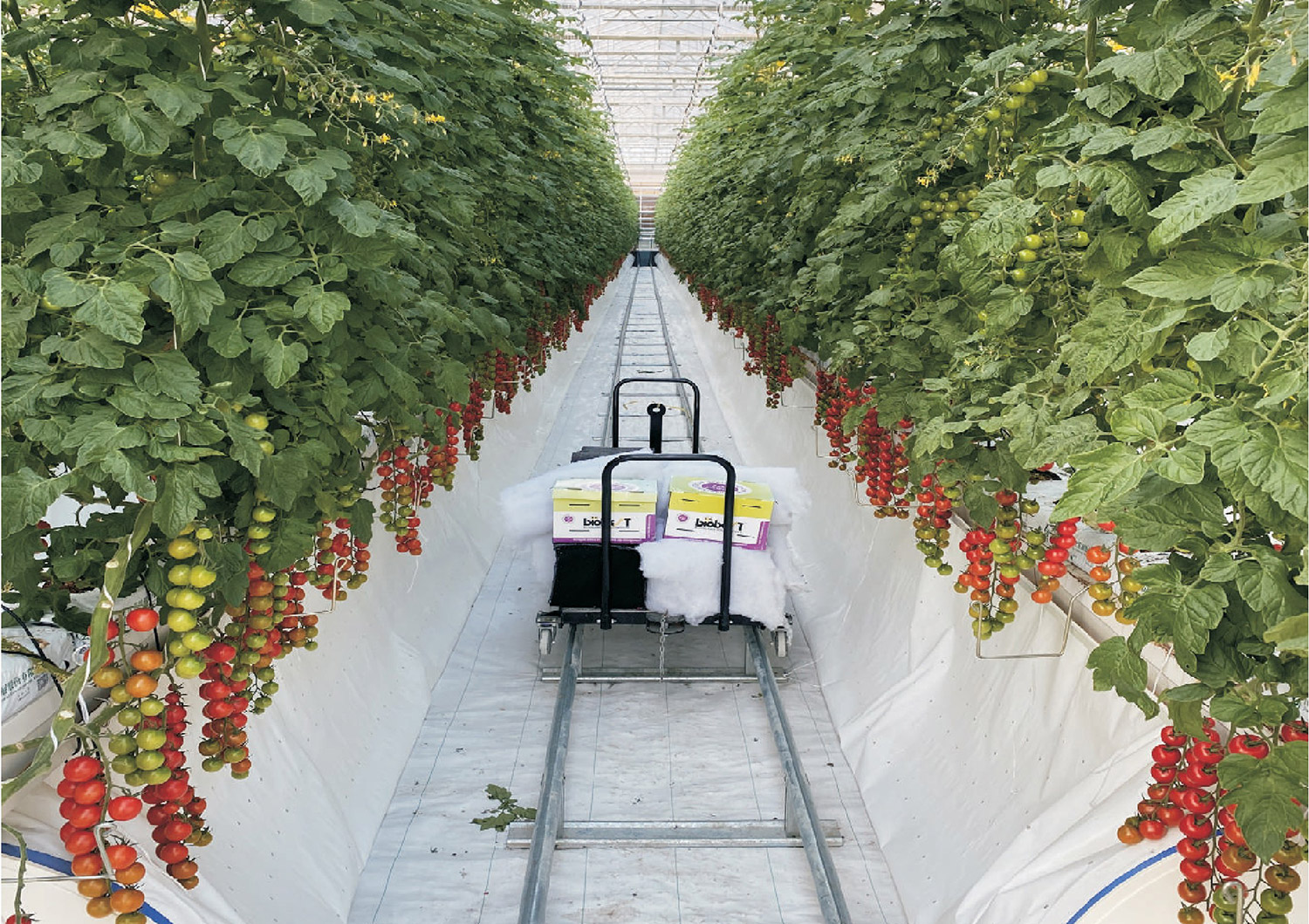
3. Indeterminate tomato plants can grow indefinitely tall, but greenhouses cannot be infinitely tallened. When the plants are too tall, even with the help of harvesting vehicles, workers cannot operate, so it is necessary to lower the suspended tomatoes to provide growth space.
4. The harvesting work in the Dutch model is carried out by workers on a harvesting vehicle with adjustable tracks, which is fast and efficient, improving the harvesting efficiency. At the same time, harvesting and packing are completed at one time, saving manpower.