
Solutions
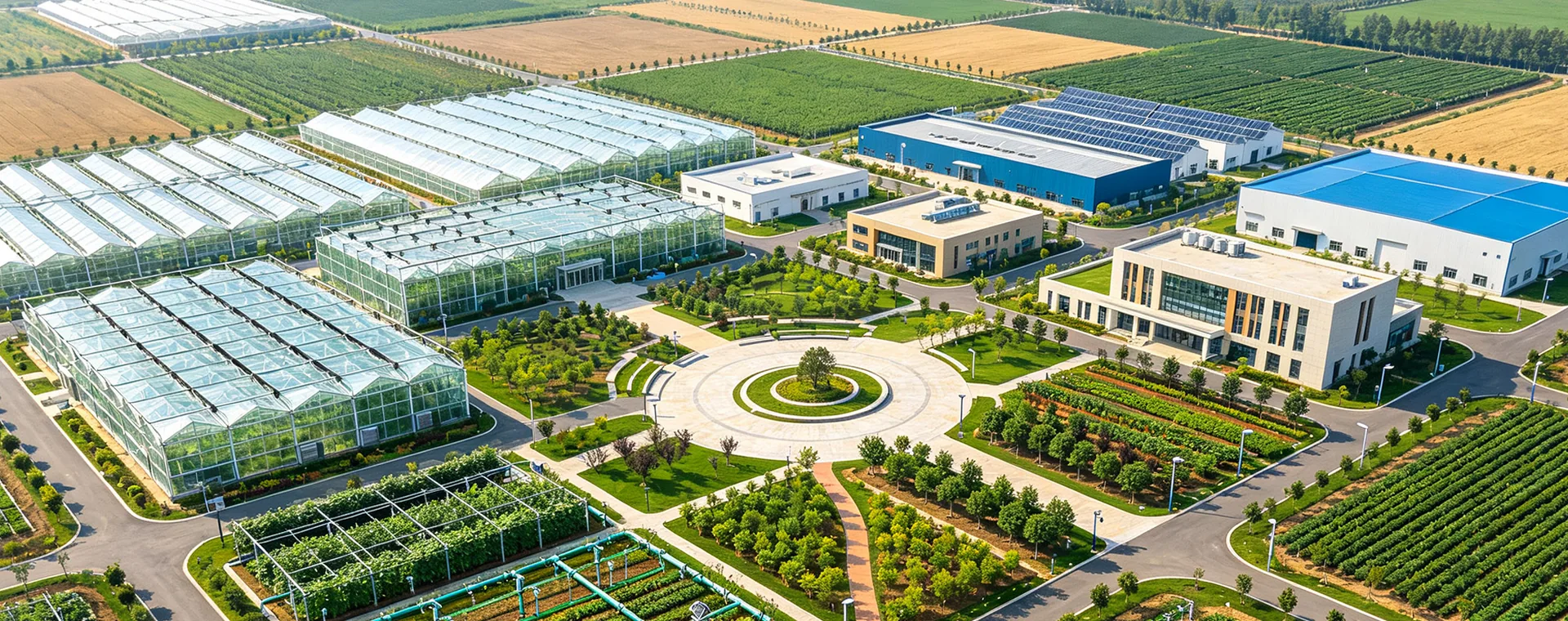
Five solution areas for modern agriculture — digital platforms, greenhouses, plant factories, precision irrigation and smart aquaculture — delivered by one engineering team.
Five solution areas, one delivery team
Five disciplines, one design team, one delivery method and one service desk.
Make the farm measurable. Then make it responsive.
A digital layer that joins field sensing, satellite and drone imagery, crop models and connected machinery into one operating picture.
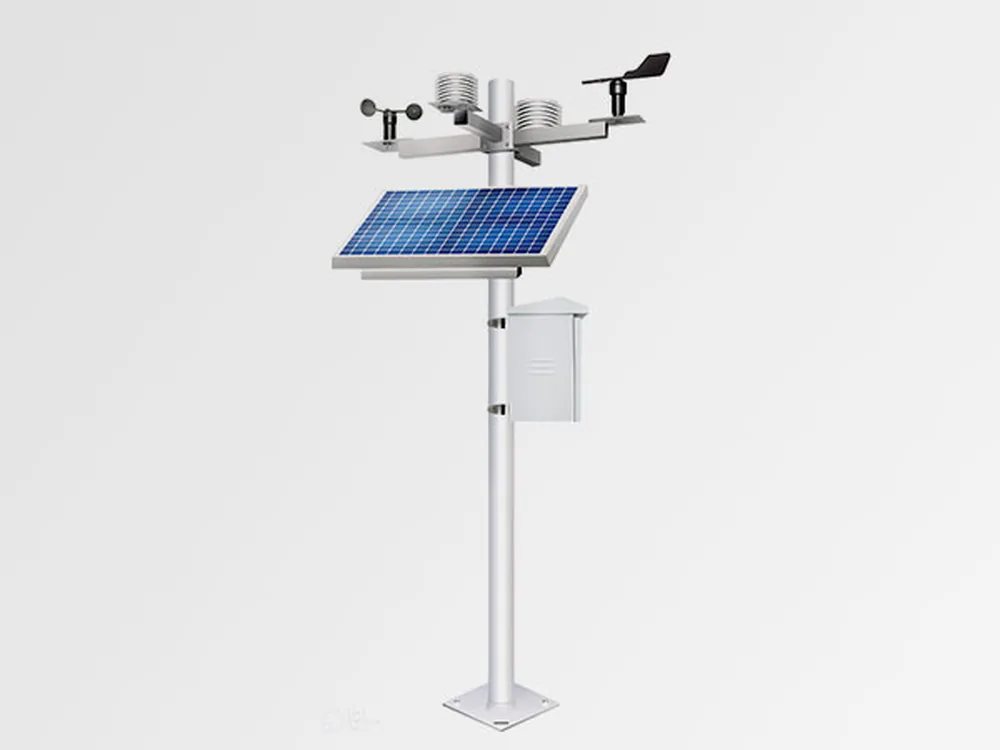
Soil, weather and water-fertilizer sensors log conditions continuously, while imagery covers what a sensor cannot. Every reading is kept in one farm record, so plots can be compared on the same basis.
Crop models turn that record into work plans — irrigation, nutrition, scouting and field operations — and connected equipment carries them out. Operators work from a phone or control room and are alerted when conditions change.
- Field sensing with continuous cloud upload
- Crop models and variable-rate work plans
- Remote control and early warning across the farm
Structure, climate and irrigation sized as one system.
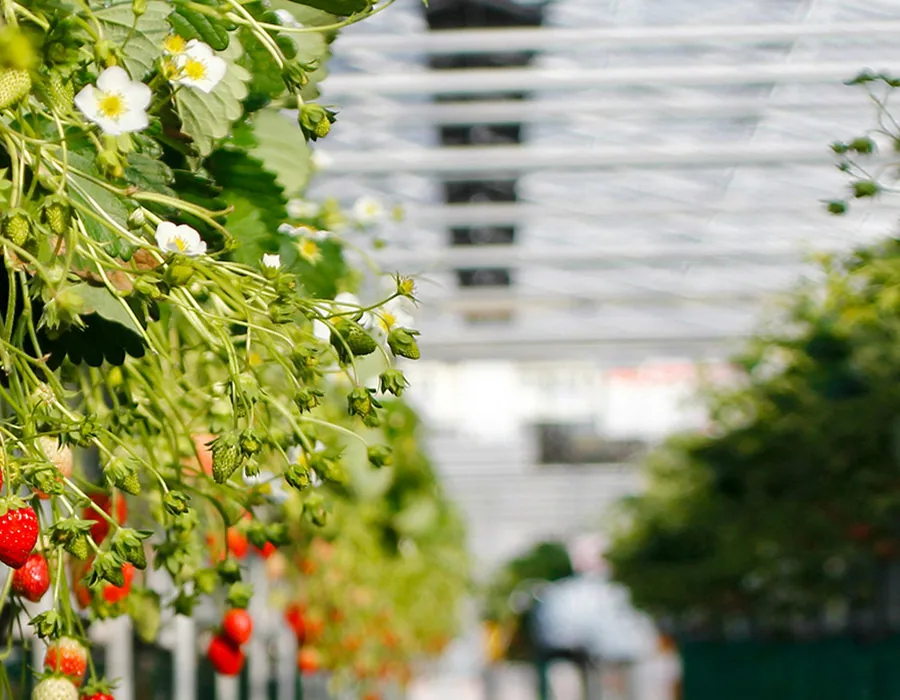
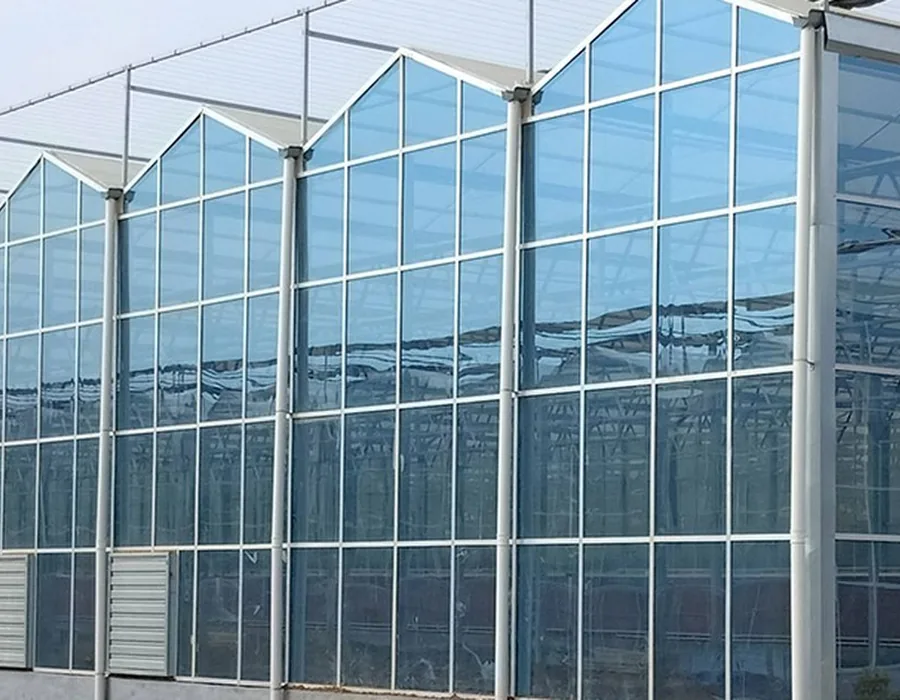
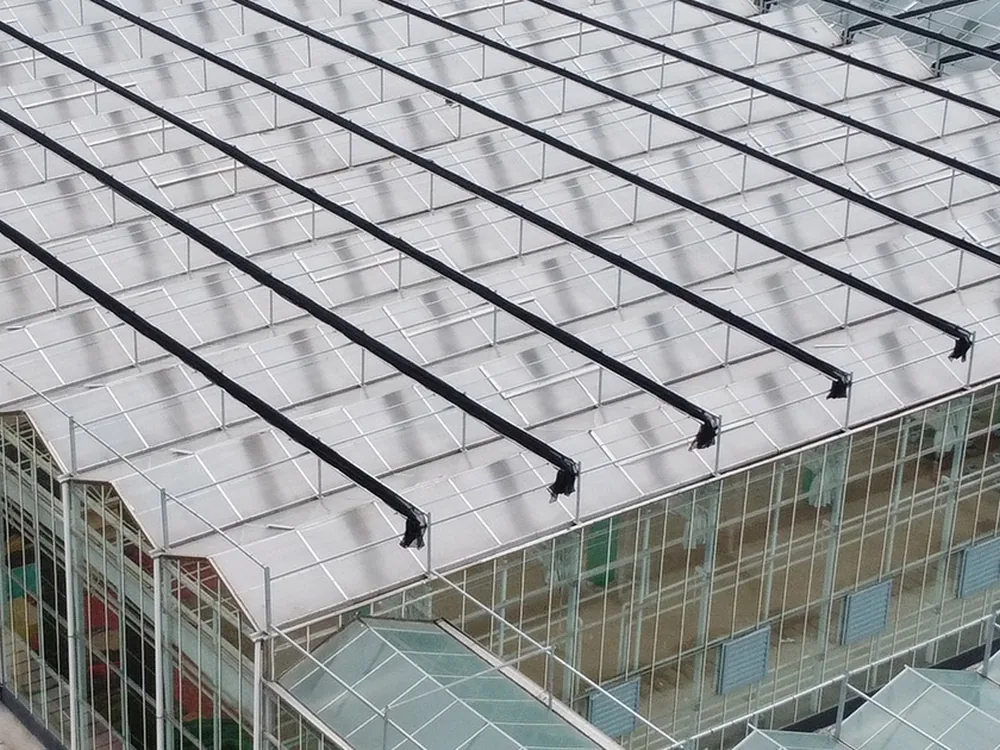
Multi-span glass houses, film arch sheds and solar greenhouses — designed around the crop, the local climate and the way the site will be operated.
The structure sets the light budget and the working space. Climate holds temperature, humidity and CO2 inside the crop's range, and irrigation keeps the root zone stable. We design the three together, so a change in one does not fight the others.
Glass, film and solar houses fit different climates and capital budgets. Soilless troughs, harvesting carts and fertigation are planned into the layout from the start, so the house can be operated and harvested after handover.
- Multi-span glass, film arch and solar greenhouses
- Ventilation, screening and heating designed together
- Irrigation and fertigation integrated with the house

Growing conditions as a set of parameters.
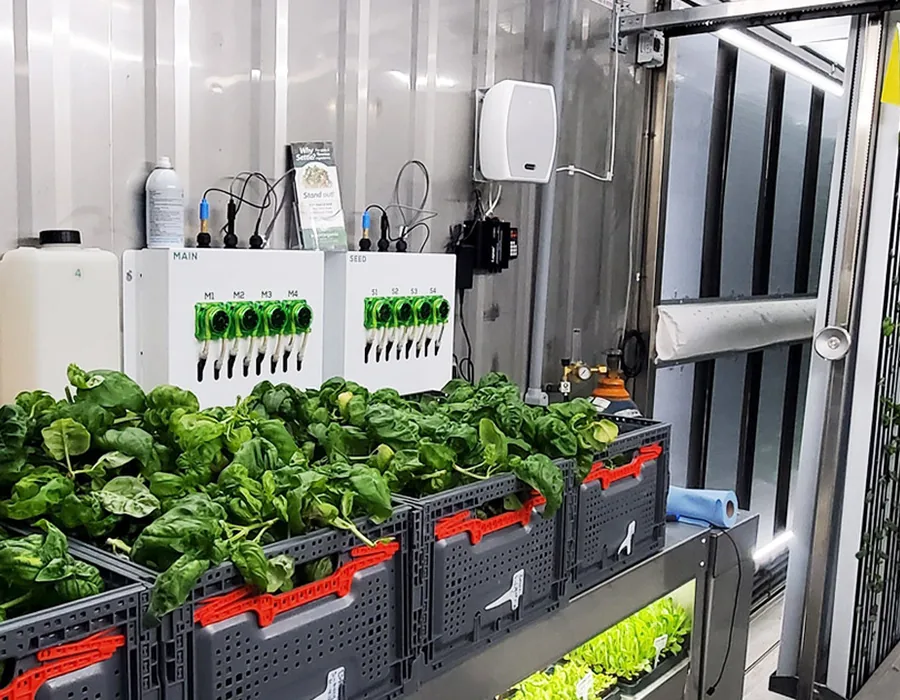
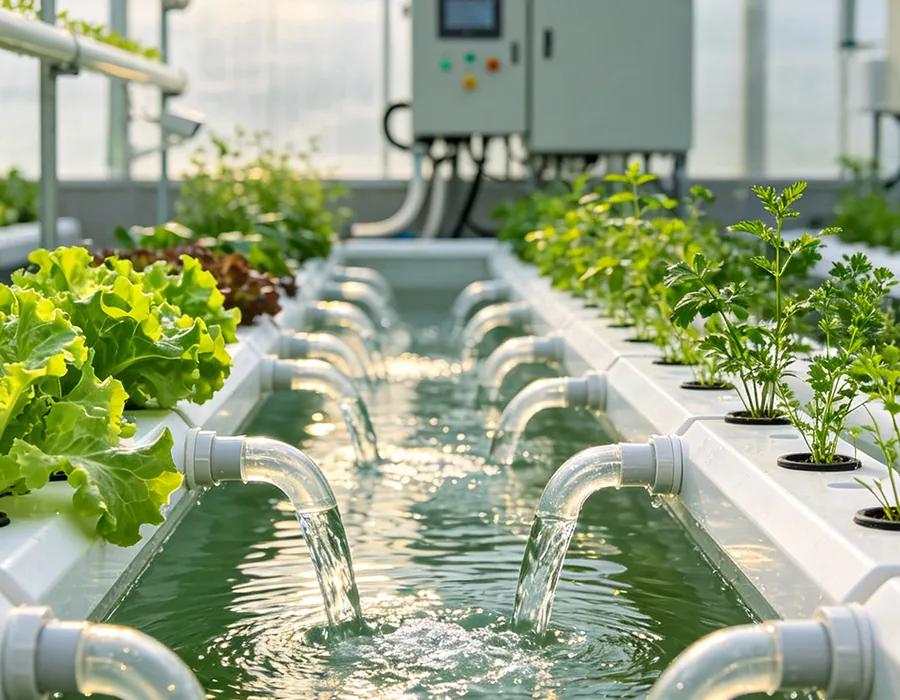
Vertical farms and container units where light, climate and nutrient supply are set by recipe instead of weather.
The light recipe is the main control lever. Red light carries most of the photosynthetic energy, blue light shapes plant form, and small additions of far-red, UV and green light steer flowering, quality and the light reaching lower leaves.
The recipe only works with the system around it: rack spacing, airflow, dehumidification and a nutrient supply that holds EC and pH in range. Racks, troughs, LED spectrum, climate and nutrient control are specified as one installation, then tuned on the crop.
- Multilayer racks and soilless growing troughs
- LED spectrum and photoperiod set by crop and stage
- Climate, CO2 and nutrient control in one loop

Water and nutrients delivered at the root, on schedule.
Fertigation machines, filtration and drip or micro-sprinkler lines that put a measured nutrient solution into the root zone.
A working circuit starts at the water source. Filtration, pressure and water quality determine what the emitters can deliver; the dosing unit mixes stock solution to the target EC and pH; the control layer decides when and where each zone runs.
Because water and nutrients arrive together in measured amounts, less is lost below the root zone. Water and fertilizer savings depend on the crop, system design, operating conditions and the comparison baseline; project results reported by growers range widely.
- Water source, filtration and pressure design
- EC and pH controlled dosing and mixing
- Zone control with remote monitoring
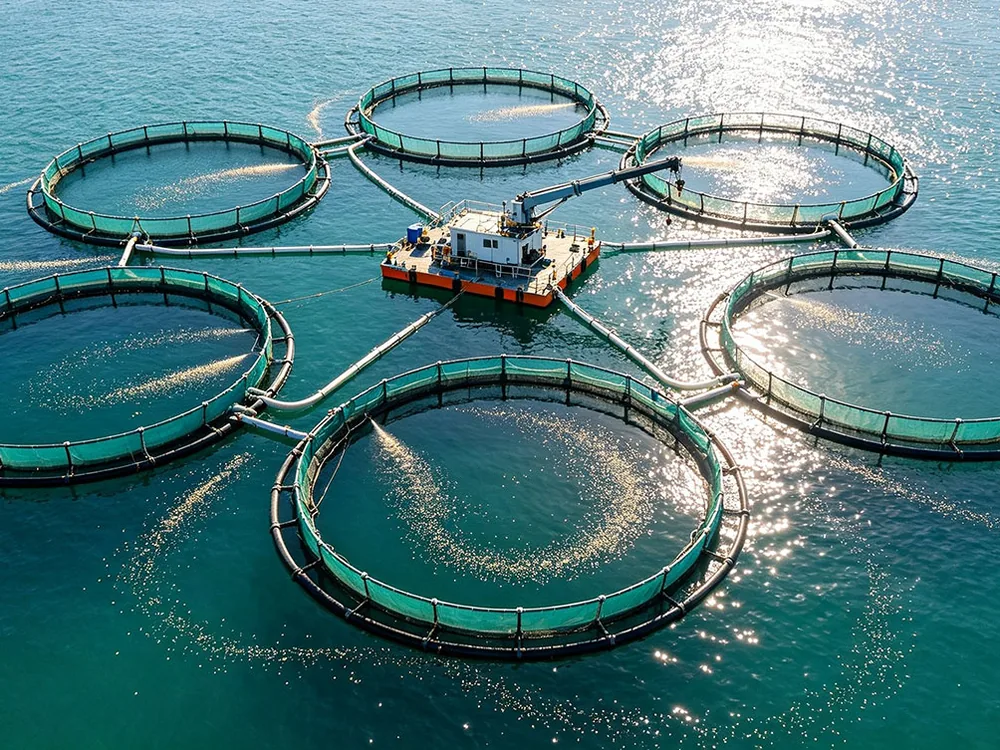
Feeding that follows the water, not only the clock.
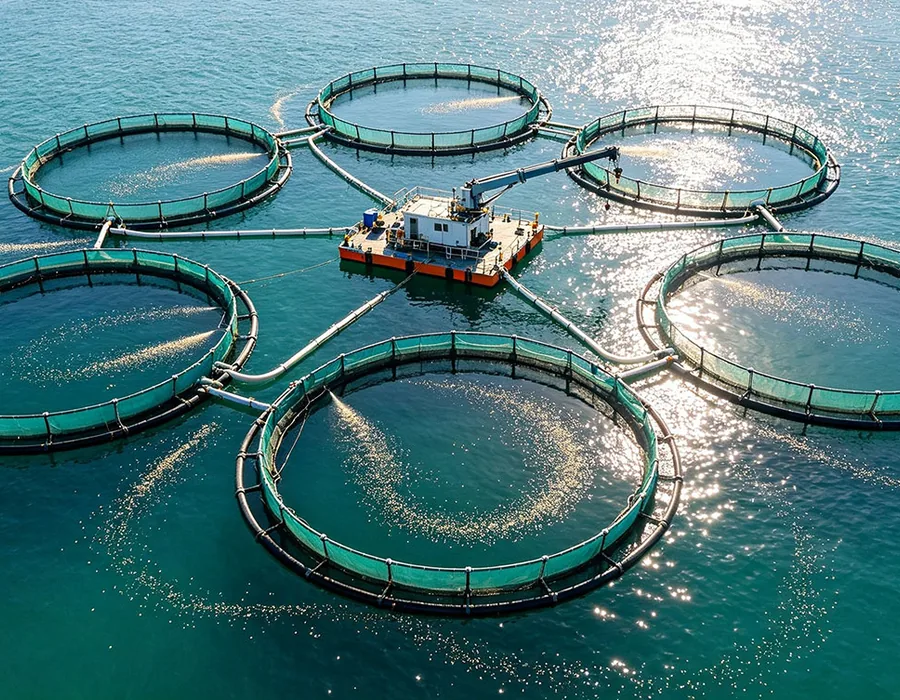
Water-quality sensing, multi-channel feeders and a cloud platform for pond, recirculating and cage farms, linked so feeding responds to conditions.
Dissolved oxygen, pH, temperature, ammonia and nitrite sensors report continuously. Feeders run to schedule, quantity, zone and frequency, and pause automatically when water quality leaves the safe band — before residual feed adds to the load.
The platform keeps feeding logs and water-quality trends in one place, raises alerts for low feed, equipment faults and out-of-range readings, and lets one operator manage several ponds from a phone.
- Water-quality sensing linked to feeding decisions
- Multi-channel feeders with remote control
- Alerts, records and exportable reports
Delivered systems, not concepts
Figures from the company's own records.
Tell us what the site has to produce.
Share the crop, the climate and the water source; we will suggest which areas the project needs and how they fit together.